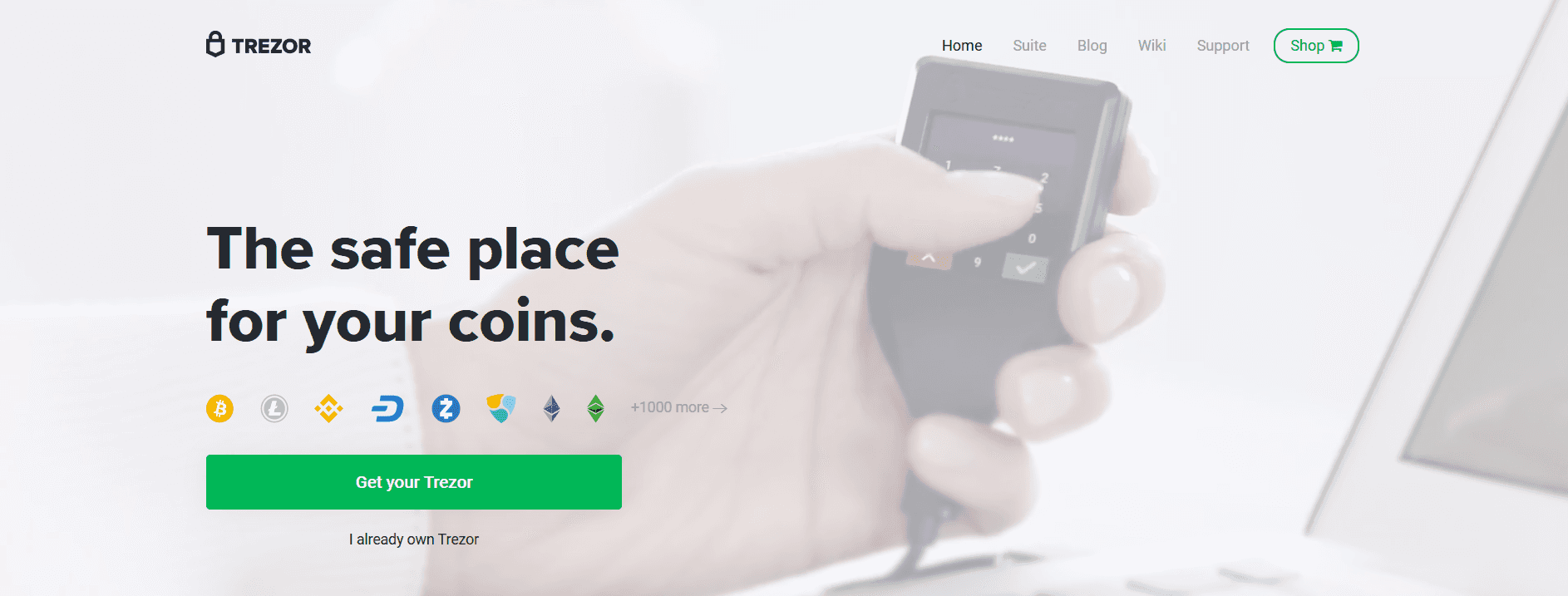
Trezor Login:
Cryptocurrencies are inherently digital and decentralized, which makes security a top priority. Unlike traditional banking accounts that rely on usernames and passwords, cryptocurrency wallets require a different kind of login system—one that emphasizes self-custody and physical security. Trezor, one of the leading hardware wallet providers, uses a combination of PIN codes, recovery phrases, and device confirmations to ensure that only the rightful owner can access funds. This guide will cover everything you need to know about Trezor login, including safe access, troubleshooting, and advanced security practices.
What is Trezor Login?
Trezor login is the process of accessing your cryptocurrency assets stored on a Trezor hardware wallet. Unlike typical web-based accounts, Trezor does not rely on a centralized username and password system. Instead, access depends on:
Physical possession of the Trezor device
Entering a secure PIN
Optional passphrase for added security
Backup recovery phrase for restoring your wallet
When you “log in” to your Trezor wallet, you are effectively unlocking the device and connecting it to a management interface such as Trezor Suite (official software) or compatible web wallets.
How Trezor Login Works
1. Physical Device as Security
Your Trezor device is the core of security. All private keys are stored offline on the device. Transactions must be signed directly on the hardware, which ensures that malware or viruses on your computer cannot access your funds.
2. PIN Code Authentication
The PIN code is a personal identification number you set during device initialization. Every time you connect your Trezor to a computer or mobile device, you must enter your PIN on the device itself. This prevents unauthorized access even if someone steals your hardware wallet.
The PIN is typically 4–9 digits.
The on-device interface randomizes the number positions for added security, preventing keylogging attacks.
3. Passphrase (Optional)
Trezor supports an additional passphrase layer. This feature effectively creates a hidden wallet, providing enhanced security or plausible deniability.
The passphrase is not stored on the device.
If you forget the passphrase, you cannot access funds stored in the hidden wallet.
4. Recovery Phrase
The 24-word recovery phrase (also known as a seed phrase) is generated during initial setup. This phrase allows you to restore your wallet if the device is lost, damaged, or stolen. While the PIN and passphrase control daily access, the recovery phrase is your ultimate backup.
Methods to Access Your Trezor Wallet
Trezor Suite (Desktop and Mobile)
Trezor Suite is the official interface for managing your wallet. It is available for Windows, macOS, Linux, and mobile platforms. Steps for login:
Download and install Trezor Suite from the official source.
Connect your Trezor device via USB (or Bluetooth for select models).
Enter your device PIN on the Trezor screen.
Optionally, enter a passphrase if configured.
Access your wallet to view balances, send/receive crypto, and manage multiple accounts.
Web-Based Access
Advanced users may use web-based wallets or decentralized applications (DApps) that support Trezor devices:
Connect the Trezor device through the supported web interface.
Approve connection and transactions directly on the device.
Web login does not replace the need for physical confirmation.
Important: Only use trusted and official websites to avoid phishing attacks. Never enter your recovery phrase online.
Step-by-Step Guide to Logging in Safely
Step 1: Verify Device Authenticity
Before connecting your Trezor device, inspect the hardware for authenticity:
Check that the package seal is intact.
Ensure no pre-installed apps or recovery phrases are present.
Confirm device model matches the purchase specifications.
Using a tampered device can compromise the security of your funds.
Step 2: Install Trezor Suite
Download Trezor Suite from the official Trezor website.
Install the software following the setup instructions.
Open the suite and prepare to connect your device.
Step 3: Connect Your Trezor Device
Use the USB cable provided with your device.
For devices with Bluetooth, ensure secure pairing is performed.
Wait for Trezor Suite to detect the device.
Step 4: Enter Your PIN
The device will prompt for the PIN you created during initialization.
Enter the code on the hardware device itself.
The number layout is randomized to prevent unauthorized observation.
Step 5: Enter Passphrase (If Applicable)
If a passphrase is configured, enter it now.
Passphrases are optional but recommended for advanced security.
Step 6: Access Your Wallet
Once your PIN (and optional passphrase) are verified, your wallet is accessible:
Check account balances.
Send or receive funds securely.
Add or manage multiple cryptocurrency accounts.
View transaction history and manage staking or DeFi options.
Security Best Practices for Trezor Login
Never share your PIN or recovery phrase. Your recovery phrase is the ultimate key to your funds.
Always use the official Trezor Suite or verified web interfaces.
Keep firmware up to date to patch vulnerabilities.
Avoid public networks or untrusted computers when accessing your wallet.
Use a passphrase for an extra layer of security or hidden wallets.
Physically confirm all transactions on the device to prevent malware from signing transactions.
Common Issues During Trezor Login
Device Not Detected
Check the USB cable and try different ports.
Restart Trezor Suite or your device.
Ensure firmware is up to date.
Forgotten PIN
If you forget your PIN, the wallet can only be restored using your 24-word recovery phrase.
Enter the recovery phrase on a new Trezor device to regain access.
Recovery Phrase Issues
Miswriting or misplacing a word will prevent wallet restoration.
Always store your recovery phrase offline in a secure location.
Firmware Out of Date
Trezor Suite will notify you if the firmware is outdated.
Follow official instructions to update without losing funds.
Advanced Login Features
Passphrase-Encrypted Wallets
Each passphrase generates a separate hidden wallet.
Ideal for users who want plausible deniability or multi-layered security.
Multiple Device Management
Trezor allows multiple devices to be linked to the same recovery phrase.
Useful for redundancy or managing different portfolios.
Integration with Decentralized Apps
You can access DeFi platforms or token management tools through Trezor.
All transactions still require device confirmation for security.
Understanding Self-Custody
A Trezor login is not just about accessing funds—it’s about controlling them. Hardware wallets like Trezor enforce self-custody:
You remain in full control of private keys.
No central authority or exchange can freeze or access your funds.
Recovery phrase ensures that you can restore the wallet anywhere in the world.
Benefits of Trezor Login System
Physical Confirmation: Ensures malware cannot sign transactions without your consent.
Offline Security: Private keys never leave the device.
Multiple Accounts: Manage several cryptocurrencies from one interface.
Recovery Options: 24-word seed phrase guarantees wallet restoration.
Advanced Security: Optional passphrase adds a second layer of protection.
Troubleshooting Tips
Device Not Connecting: Restart computer and device. Use original cable.
Transaction Not Confirming: Ensure device screen is unlocked and physically confirm each transaction.
Unable to Restore Wallet: Double-check recovery phrase order and spelling.
Software Errors: Reinstall Trezor Suite and ensure the latest firmware is installed.
Summary
Trezor login is a unique process designed around hardware-based security rather than passwords and usernames. By combining physical device confirmation, PIN codes, optional passphrases, and recovery phrases, Trezor ensures that only the rightful owner can access funds.
Safe access to your Trezor wallet requires:
Using Trezor Suite or a verified interface.
Entering your PIN directly on the device.
Physically confirming all transactions.
Storing recovery phrases securely offline.
Following these practices provides peace of mind and ensures that your cryptocurrency remains safe from theft, hacking, or accidental loss.
Conclusion
Unlike traditional online logins, Trezor login is about self-custody, physical security, and controlled access. Proper understanding of how to safely log in, manage accounts, and protect your recovery phrase is essential for anyone serious about cryptocurrency security.
Whether you are a beginner or an advanced crypto user, following the official Trezor login procedures is the foundation of protecting your digital assets.