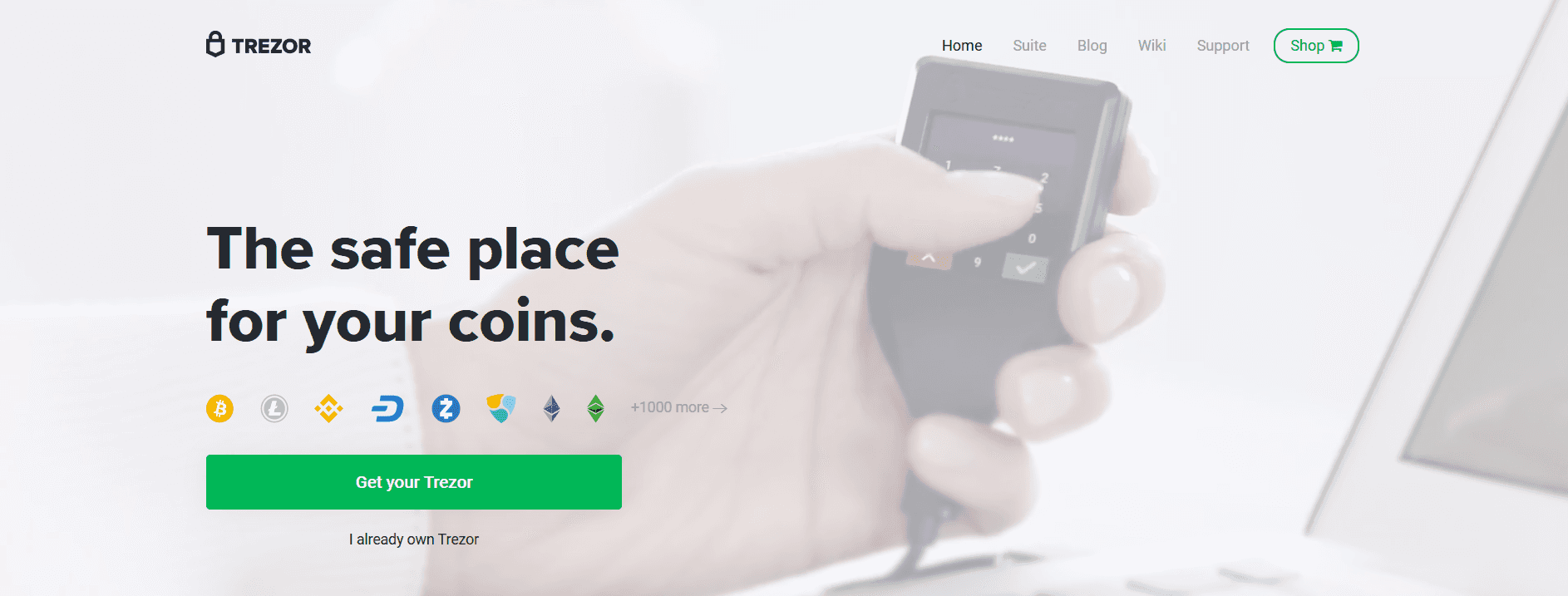
Trezor Login:
Cryptocurrency security begins with proper access control. Unlike traditional banking, logging in to a cryptocurrency wallet does not rely on a username and password alone. Trezor, one of the most reputable hardware wallet providers, ensures secure login through a combination of device authentication, PIN codes, optional passphrases, and recovery seeds. Understanding how Trezor login works is essential for safeguarding digital assets and maintaining full control over your crypto holdings. This guide provides an in-depth overview of the Trezor login process, best practices, troubleshooting, and advanced security techniques.
What is Trezor Login?
Trezor login is the method by which you access your cryptocurrency stored on a Trezor hardware wallet. Unlike online platforms, Trezor does not have a central account database or server login. Instead, login revolves around:
Physical possession of your Trezor device
Entering a personal PIN
Optional use of a passphrase
Backup recovery phrase for restoration
This system ensures that even if someone gains access to your computer or mobile device, your cryptocurrencies remain protected, as the private keys are never exposed to external systems.
How Trezor Login Works
Trezor login is fundamentally different from typical online logins. It relies on hardware-based security combined with physical authentication.
1. Device-Based Security
All private keys remain stored on the Trezor device. Transactions are signed directly on the device itself, meaning malware or keyloggers on your computer cannot initiate unauthorized transactions. Physical access is mandatory to approve any activity.
2. PIN Authentication
During the initial setup, users create a personal PIN. The PIN is required every time you connect your Trezor to a computer or mobile device. Trezor randomizes the keypad on the device display, so the sequence of numbers is different each time, reducing the risk of observation or screen logging.
3. Passphrase Protection (Optional)
Users can add an extra layer of security by enabling a passphrase. This passphrase acts as a key to access a hidden wallet on the Trezor device. Without the correct passphrase, the hidden wallet cannot be accessed, even with the correct recovery seed.
4. Recovery Seed (24-Word Phrase)
Your 24-word recovery seed is generated when you first set up your Trezor device. This phrase is the ultimate backup for your wallet, allowing you to restore your funds on another Trezor device in case your original device is lost, stolen, or damaged.
Methods to Access Your Trezor Wallet
There are two primary ways to log in and manage your Trezor wallet:
Trezor Suite (Desktop and Mobile Application)
Trezor Suite is the official software for managing Trezor devices:
Download Trezor Suite from the official website.
Connect your Trezor device via USB or Bluetooth (for supported models).
Enter your PIN directly on the device.
If a passphrase is set, enter it to unlock the corresponding wallet.
Access your wallet to send, receive, or manage crypto accounts.
Trezor Suite also allows viewing balances, transaction history, and portfolio performance.
Web Interface and Compatible Wallets
Trezor devices can interact with certain web-based wallets or decentralized applications:
Connect the hardware wallet to the web interface.
Approve each transaction directly on the device.
The web interface cannot bypass the need for physical confirmation on the Trezor device.
Caution: Always ensure the web interface is official and verified. Never input your recovery phrase online.
Step-by-Step Guide to Trezor Login
Step 1: Verify Your Device
Before connecting, confirm that your Trezor is genuine:
Inspect packaging and security seals.
Check that no apps or recovery phrases are pre-installed.
Ensure the device matches the purchased model.
Using a compromised or counterfeit device can put your funds at risk.
Step 2: Install Trezor Suite
Download the Trezor Suite application for your operating system.
Follow installation instructions.
Launch the application and prepare to connect your device.
Step 3: Connect Your Trezor Device
Use the provided USB cable or Bluetooth connection.
Allow the software to detect the device.
Ensure the device is unlocked and ready for authentication.
Step 4: Enter Your PIN
The device will prompt for the PIN you created during setup.
Input the PIN using the device’s physical buttons.
The randomized keypad layout prevents observation-based attacks.
Step 5: Input Passphrase (If Enabled)
Enter the passphrase to unlock a hidden wallet if applicable.
Remember, the passphrase is case-sensitive and not stored on the device.
Step 6: Access and Manage Wallet
Once authentication is complete, you can:
View account balances.
Send or receive funds securely.
Manage multiple cryptocurrency accounts.
Monitor portfolio and transaction history.
All sensitive operations require physical confirmation on the Trezor device.
Security Best Practices for Trezor Login
Never share your PIN or recovery seed. These are your primary security credentials.
Always use the official Trezor Suite or verified web interfaces.
Keep firmware and software updated. Regular updates protect against vulnerabilities.
Avoid public computers and networks when accessing your wallet.
Enable a passphrase for advanced security or hidden wallets.
Physically confirm every transaction to ensure unauthorized transfers cannot occur.
Common Problems During Login and How to Solve Them
Device Not Detected
Ensure USB cable is functional and correctly connected.
Try another port or device if available.
Restart Trezor Suite and the computer.
Forgotten PIN
If you forget your PIN, the wallet can only be restored using your 24-word recovery seed.
Enter the recovery phrase on a new device to regain access.
Recovery Seed Issues
Miswriting or misordering words will prevent wallet restoration.
Store the recovery seed securely offline.
Outdated Firmware
Trezor Suite will notify you of available updates.
Follow official instructions for firmware upgrades.
Advanced Login Features
Passphrase-Encrypted Wallets
Create multiple hidden wallets with different passphrases.
Ideal for users requiring extra security or plausible deniability.
Managing Multiple Devices
One recovery seed can restore multiple devices.
Useful for portfolio redundancy or managing separate accounts.
Integration with DeFi and NFTs
Access DeFi protocols securely via Trezor Suite or compatible DApps.
Approve all operations on the device for maximum security.
Understanding Self-Custody with Trezor
Self-custody is a fundamental principle of Trezor login:
You have full control over private keys.
No exchange or third-party service can access or freeze your funds.
Your 24-word recovery seed ensures wallet restoration in case of device loss.
Trezor login emphasizes self-custody by requiring device-based authentication and offline key storage.
Benefits of Using Trezor Login
Enhanced Security: Transactions require physical confirmation on the device.
Offline Private Keys: Keys never leave the hardware wallet.
Multiple Accounts Management: Easily manage different cryptocurrencies.
Recovery and Backup: 24-word seed ensures access to funds even if the device is lost.
Advanced Protection: Passphrases provide an additional layer of security.
Troubleshooting and Tips
Device Not Connecting: Reboot the computer, check the cable, or try a different port.
Transaction Issues: Ensure device is unlocked and confirm transactions on-device.
Wallet Restoration: Double-check your recovery seed spelling and order.
Software Errors: Reinstall Trezor Suite and update firmware.
Summary
Trezor login is more than a simple authentication—it’s a carefully designed security mechanism that ensures only the rightful owner can access and manage cryptocurrency funds. Using Trezor Suite or verified interfaces, combined with PIN codes, optional passphrases, and recovery seeds, offers unparalleled protection compared to traditional online logins.
By following recommended practices, users can enjoy full control over their digital assets while minimizing exposure to hacking, phishing, or theft.
Conclusion
Unlike conventional login systems, Trezor login prioritizes physical security, self-custody, and offline protection. Understanding how to safely access your wallet, configure advanced security features, and store recovery credentials is essential for anyone serious about cryptocurrency.
Following Trezor login protocols ensures that your crypto assets are secure, fully under your control, and recoverable under all circumstances. Whether you are a beginner or an experienced investor, mastering Trezor login is the first step in safe, responsible cryptocurrency management.